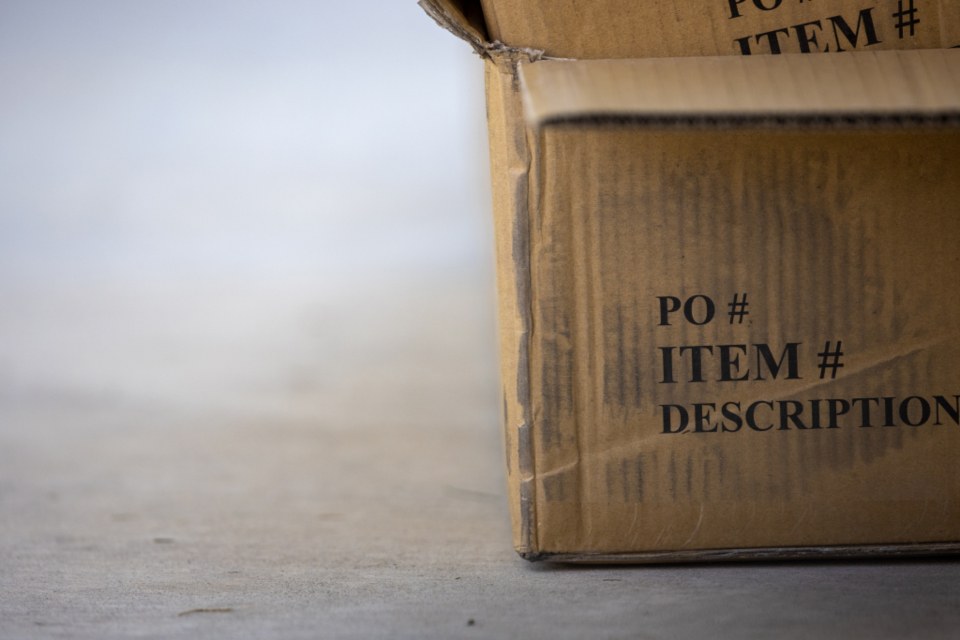
Moving to a new home is exciting, but it also involves a long list of small tasks that are easy to forget. A simple plan helps you stay calm and spread the work over several weeks. This guide walks through a step-by-step approach to planning a move that any household can adapt.
Start With a Timeline
The first step is to work backward from your moving day. Write down the date, then mark key points on a calendar: when you want packing to begin, when utilities need to change, and when you need to say goodbye to your current space.
Many people find it helpful to divide the move into a few phases:
- Early planning: decide what you will take, sell, donate or discard.
- Middle weeks: begin packing items you rarely use and arrange services.
- Final week: pack daily essentials, confirm arrangements and clean.
- Moving day and after: unpack by priority and settle in.
A realistic timeline leaves some extra room. Moves almost always take longer than expected, so a little flexibility goes a long way.
Sort Before You Pack
It is usually easier to move fewer things. Before you pack a single box, go through each room and sort belongings into simple groups. Ask yourself whether each item is still useful, still fits your next space and is worth the effort of carrying.
- Keep: items you use regularly or truly value.
- Donate or give away: items in good condition that you no longer need.
- Sell: larger items that someone else may want.
- Recycle or dispose: items that are broken or unsafe to pass on.
Work one room at a time so the task feels manageable. Starting with storage areas such as the garage, attic or closets can make the biggest difference early on.
Gather Supplies and Plan the Packing
Having the right supplies on hand keeps packing smooth. Most households need sturdy boxes in a few sizes, packing paper, tape, markers and some soft materials such as towels and blankets to cushion fragile items.
Some practical packing habits include:
- Pack heavy items in small boxes and lighter items in larger ones.
- Label every box with the room it belongs to and a short description of what is inside.
- Keep items from the same room together.
- Fill gaps in boxes so contents do not shift.
- Set aside a box for things you will need right away.
Start with the things you use least, such as seasonal decorations, books and spare linens. Leave kitchen items, clothing and bathroom supplies for last.
Handle Paperwork and Address Changes
A move involves more administration than many people expect. Keeping the details in one place can prevent missed steps. Create a simple checklist of the organizations and services that need to know your new address, and tick them off as you go.
- Utility and household service providers at both addresses
- Postal service forwarding
- Insurance providers and other regular accounts
- Schools, healthcare providers and community memberships
- Subscriptions and regular deliveries
It also helps to keep important papers, such as identification, agreements and records, in a folder that travels with you rather than in a packed box. If you want to organize these items further, consider a dedicated folder for each category so you can find them quickly after the move.
Prepare Both Homes
Preparing your current home and your new home in advance reduces stress on moving day. At your current home, plan a cleaning routine and a final walk-through to check closets, cupboards and storage areas so nothing is left behind.
At your new home, a few small preparations can make the first night easier:
- Clean surfaces and cupboards before furniture arrives, if possible.
- Check that lights, water and heating or cooling are working.
- Measure doorways and large rooms to plan where furniture will go.
- Identify where boxes should be placed so movers or helpers know where to go.
Protecting floors, doorframes and corners with simple coverings can also help avoid small damage during the move.
Plan Moving Day and the First Week
On moving day, a clear plan helps everyone work together. Decide who will do what, keep walkways clear, and make sure there is water and food for helpers. Keep a bag of essentials with you, including chargers, medication, basic tools, toiletries and a change of clothes.
After the move, resist the urge to unpack everything at once. A calm approach works better:
- Set up beds and basic bathroom items first.
- Unpack the kitchen essentials so you can prepare simple meals.
- Move on to rooms you use most often.
- Leave decorative items and rarely used belongings until later.
Take a little time in the first week to walk through the home, locate shut-off points for water, power and gas, and note anything that needs attention. This helps you get to know your new space and plan any small tasks for the coming weeks.
Involve the Whole Household
A move affects everyone who lives in the home, so it helps to share the plan. Hold a short family meeting to talk about dates, tasks and expectations. Give each person a job that suits their age and abilities, such as packing their own room or labeling boxes.
Children and pets may need extra care. Keeping familiar routines, favorite toys and comfort items close by can make the change feel less unsettling. Consider arranging a quiet place for pets on moving day, away from open doors and heavy traffic.
If you plan to hire help or ask friends and family, confirm arrangements well ahead of time and share the schedule in writing. Clear communication prevents confusion and keeps the day running smoothly.
Conclusion
A successful move rarely comes from doing everything at once. It comes from breaking a big job into small steps: building a timeline, sorting your belongings, packing in an organized way, handling paperwork and preparing both homes. With a simple plan and some patience, the process becomes much more manageable. Adjust the steps to fit your household, and give yourself permission to take things one room and one day at a time.
This article is for general educational purposes only and is not financial, legal, tax or real estate advice. Property, lending and housing conditions vary by location and over time, so please speak with a qualified professional about your own situation.