Emergencies rarely give much warning, and it is hard to think clearly when one is happening. A simple household emergency plan helps everyone in your home know what to do, where to go and who to contact. This guide walks through how to build one in an unhurried, practical way.
Why a Home Emergency Plan Is Worth Making
Most people have a rough idea of what they would do if something went wrong at home. The trouble is that a rough idea is often not shared, not written down and not tested. When stress is high, even simple decisions can feel difficult.
A written plan takes the guesswork out of the moment. It also helps you spot gaps early, such as a missing flashlight, an exit that is blocked by furniture or a phone number nobody has saved. Planning ahead is a calm, low-cost way to make a household more prepared.
A plan does not need to be long or complicated. One or two pages that everyone can find and understand are usually more useful than a thick binder that nobody reads.
Start by Thinking Through Likely Situations
Begin by listing the kinds of events that could reasonably affect your home. These differ depending on where you live, the type of property and who lives there. Common examples include:
- A fire or smoke in the home
- A power outage that lasts for hours or days
- Severe weather such as storms, heavy snow or high winds
- Water leaks, burst pipes or flooding
- A gas or carbon monoxide concern
- A medical emergency involving someone in the household
You do not need a separate plan for each one. Many steps overlap, such as leaving safely, staying in contact and having basic supplies on hand. Local authorities and emergency services often publish general guidance for your area, which can help you decide what deserves the most attention.
Map Out Exits and Meeting Points
Knowing how to leave your home quickly is the foundation of any plan. Walk through each room and ask how you would get out if the usual route were blocked.
- Identify two ways out of each main room where possible, such as a door and a window.
- Check that exits are clear. Make sure doors open easily and windows are not stuck or blocked.
- Choose a meeting point outside that is a safe distance from the home, such as a neighbor’s driveway or a particular tree or lamppost.
- Agree on a second meeting place farther away, in case you cannot return to the area.
- Think about special needs. Consider children, older relatives, guests and pets, and decide who will help whom.
Drawing a simple sketch of your floor plan with the exits marked can make this easier to explain, especially to children and visitors.
Know Where Your Shut-Offs and Safety Devices Are
Every household member who is old enough should know where the main controls and safety devices are located. In an emergency, shutting off the right supply can limit damage and reduce risk.
Make a short list that notes the location of:
- The main water shut-off
- The electrical panel or breaker box
- The gas shut-off, if your home has one
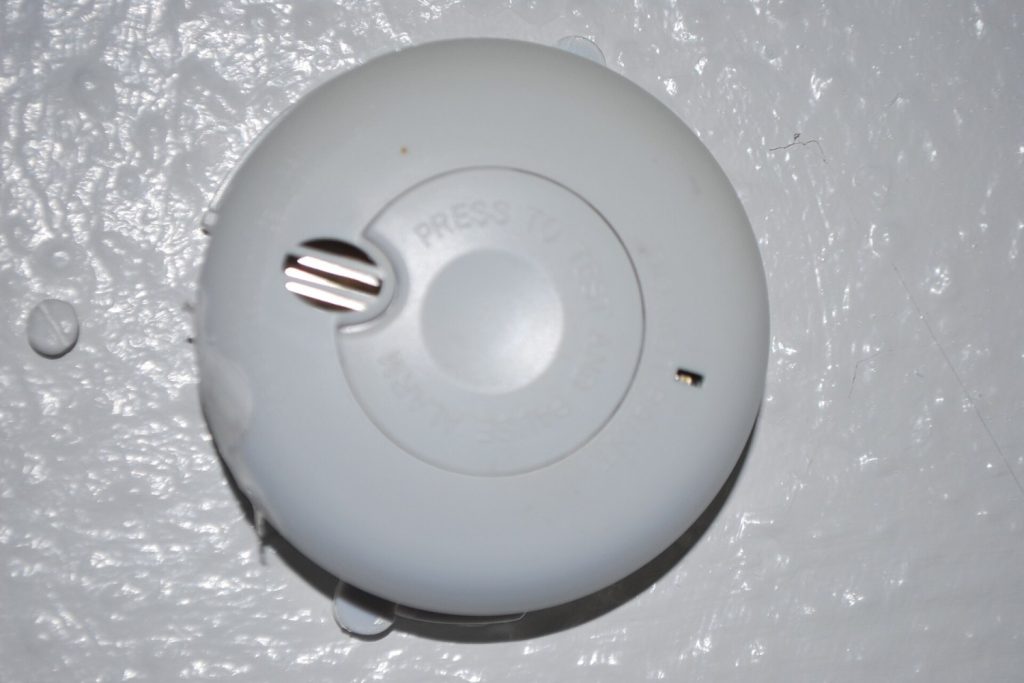
- Smoke alarms and carbon monoxide alarms
- Fire extinguishers, if you keep them
- First aid supplies
If you are unsure how a shut-off works, ask a qualified professional or your utility provider to show you the safe way to use it. It is much better to learn this during a quiet afternoon than in the middle of a problem.
It is also sensible to test alarms and check batteries on a regular schedule, following the manufacturer’s instructions. A reminder in your calendar can make this routine.
Build a Basic Supply Kit
A basic kit helps your household manage if you need to stay put without power or leave in a hurry. Keep it somewhere easy to reach, and make sure everyone knows where it is. Items worth considering include:
- Flashlights and spare batteries
- A battery-powered or hand-crank radio
- Bottled water and non-perishable food
- A first aid kit and any regular medications
- Phone chargers and a portable power bank
- Warm clothing, blankets and sturdy shoes
- Pet food and supplies, if you have animals
- Items for babies or older family members, if relevant
Review the kit a couple of times a year. Food and batteries can expire, and household needs change as children grow or medications are updated.
Gather Important Documents and Contact Details
When you need to leave home or deal with damage, having key information in one place saves time and stress. Collect paper copies and, if you prefer, secure digital copies of items such as:
- Identification and key household records
- Insurance policy details and contact numbers
- Medical information and prescription lists
- Contact details for family, neighbors, your doctor and local services
- Details of your utility providers and any home service contacts
- A simple home inventory, such as a list or photos of valuables
Store these in a waterproof, easy-to-grab container or in a secure place you can access from anywhere. Because they may contain sensitive information, keep them private and protected.
It also helps to choose an out-of-area contact person. Local phone lines can become busy during an emergency, and it can be easier for everyone to check in with one person who is somewhere else.
Practice, Review and Keep the Plan Current
A plan only works if people remember it. Set aside a little time to talk it through with everyone in the household, including children in a calm and age-appropriate way. Then practice the basics:
- Walk through your exit routes and meeting points
- Show each person where the supplies and shut-offs are
- Check that everyone knows the key phone numbers
Revisit the plan at regular points in the year, and also after big changes such as moving, welcoming a new family member, renovating or changing who lives in the home. Update contact details, replace used or expired supplies and adjust the plan if something no longer fits.
Do not worry about getting everything perfect on the first try. A simple plan that you actually use is far better than an ideal plan that never gets finished.
Conclusion
A household emergency plan is one of the most practical pieces of property planning you can do. By thinking through likely situations, mapping exits, locating shut-offs, preparing a basic kit, gathering key documents and practicing together, you give your household a clearer and calmer path through a stressful moment.
Start small. Pick one step this week, such as choosing a meeting point or checking your flashlights, and build from there. Over time, those small steps add up to real peace of mind about the place you call home.
This article is for general educational purposes only and is not financial, legal, tax or real estate advice. Property, lending and housing conditions vary by location and over time, so please speak with a qualified professional about your own situation.