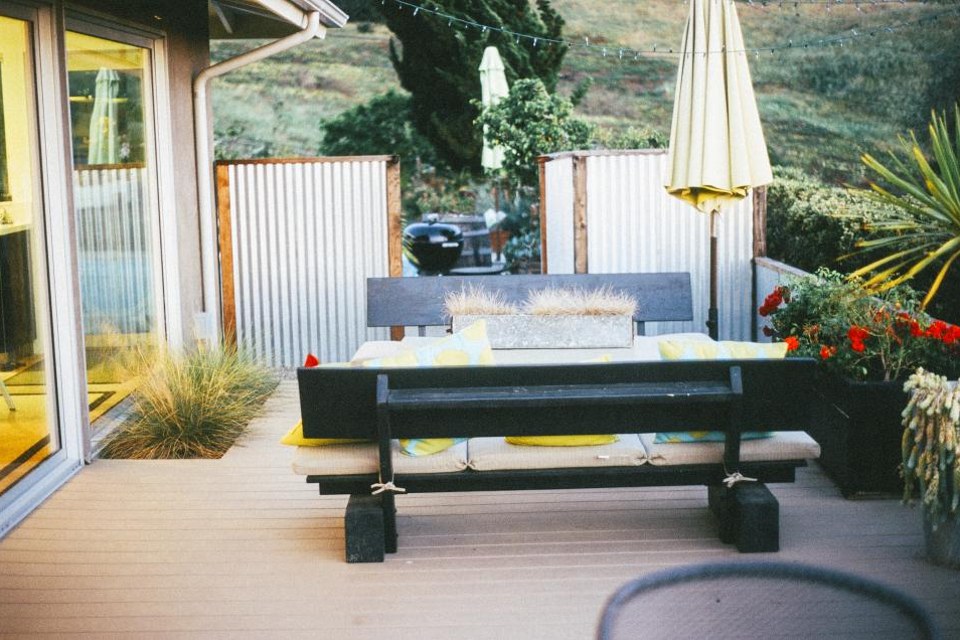
When people think about what shapes a property’s appeal, they often picture the kitchen or the living room first. Yet the space just outside the back door matters too. A patio, deck, yard or balcony can change how a home feels and how easily it fits everyday life. This guide explains, in general terms, how outdoor living spaces can influence a property’s appeal and condition.
Why Outdoor Space Matters to Many Households
A home is more than its walls. For many households, the outdoor area works as an extra room that is used for meals, play, relaxing, gardening or simply getting fresh air. A space that is easy to use can make a property feel more flexible and welcoming.
That said, needs differ widely. Some people want a large yard, while others prefer a small balcony that needs very little care. Appeal is personal, and the same outdoor space can feel perfect to one household and like extra work to another. Because of this, it helps to think about how well a space fits ordinary routines, not just how it looks.
Outdoor space also depends on the type of property, the local climate and the surrounding area. A courtyard in a dense neighborhood serves a different purpose than a wide lawn in a quiet suburb. Keeping this context in mind makes it easier to judge what really adds value for a particular home.
Features That Often Shape Appeal
Several features commonly affect how an outdoor space is seen. None of them guarantees a particular result, but they are widely seen as worth considering:
- Usable layout: A flat, open area where furniture can fit and people can move around is often easier to enjoy than a cramped or sloping one.
- Privacy: Fences, hedges or well-placed plants can make a space feel more comfortable and secluded.
- Shade and sun: A mix of sunny and shaded areas helps a space stay pleasant at different times of day.
- Surfaces: Sound paving, decking and paths make the area safer and easier to walk across.
- Connection to the home: Easy access from the kitchen or living area makes the space more likely to be used.
- Lighting: Simple outdoor lighting can extend the use of a space into the evening and improve safety.
It is also worth noticing how these features work together. A lovely deck that is too exposed to be comfortable, for example, may not be used much at all.
Condition and Maintenance Come First
An outdoor space only adds to a property’s appeal when it is in good condition. Weathered boards, cracked paving or overgrown plants can send the opposite message, suggesting that upkeep has been neglected. Because outdoor areas face rain, sun, wind and temperature changes, they usually need regular attention.
Here are some common areas to look at during a routine check:
- Decks and railings: Look for loose boards, wobbly rails, rot or splintering wood.
- Paving and paths: Check for uneven or cracked surfaces that could cause trips.
- Drainage: Notice where water collects after rain, since pooling near the house can cause problems over time.
- Fences and gates: Make sure posts are firm and gates open and close properly.
- Plants and trees: Watch for branches that hang over the roof or roots that push up paving.
- Outdoor structures: Sheds, pergolas and covered areas should be sturdy and free of visible damage.
Small, regular tasks such as sweeping, trimming and cleaning tend to be easier to manage than a large catch-up job. Keeping a simple seasonal checklist can help you spot small issues before they grow.
Balancing Appeal With Practical Upkeep
It is tempting to think that more features always means more appeal, but every addition comes with ongoing care. A garden needs watering and pruning. A deck may need cleaning and sealing. Water features, outdoor kitchens and large lawns all ask for time and attention.
When thinking about your own outdoor space, a few questions can help:
- How much time do I realistically want to spend on upkeep each week?
- Will I actually use this space, or does it just look nice?
- Does the design suit the local climate and the style of the home?
- Are there safety points to consider, such as young children, pets or older relatives?
Simple, tidy and well-kept spaces are often easier to live with than elaborate ones that are hard to maintain. A modest area that is clean, safe and comfortable usually leaves a better impression than a more ambitious space that has been left to decline.
Thinking About Outdoor Space When Planning Ahead
If you are planning changes to your outdoor area, it helps to take a measured approach. Start by observing how the space is used now. Notice where people gather, which spots stay damp and what bothers you most. Then list the changes that would make the biggest practical difference, such as better drainage, safer steps or a bit more privacy.
It is also sensible to check whether any local rules or permissions apply to structures such as decks, fences or sheds, since these differ from place to place. Speaking with a qualified local professional before starting larger work can help you understand what is involved and avoid surprises.
If you are looking at a different property, you can apply the same ideas as a viewer. Walk the outdoor area slowly, look closely at surfaces and structures, and imagine how you would use the space through the seasons. Notice both the strengths and the work that may be needed.
Remember that the way a property is valued depends on many factors beyond its outdoor space, including its overall condition, location and local conditions at the time. Outdoor areas are one piece of a larger picture.
Conclusion
Outdoor living spaces can shape how a property feels and how well it suits everyday life. Usable layout, privacy, safe surfaces and good drainage all play a part, but condition and upkeep matter most. A simple, well-kept space is often more appealing than a complicated one that has been neglected.
Whether you are caring for your own home or looking at another, focus on how the space works in real life, what care it needs and how it fits your household’s routines. With a steady approach and regular maintenance, an outdoor area can remain a comfortable and useful part of the home for years.
This article is for general educational purposes only and is not financial, legal, tax or real estate advice. Property, lending and housing conditions vary by location and over time, so please speak with a qualified professional about your own situation.