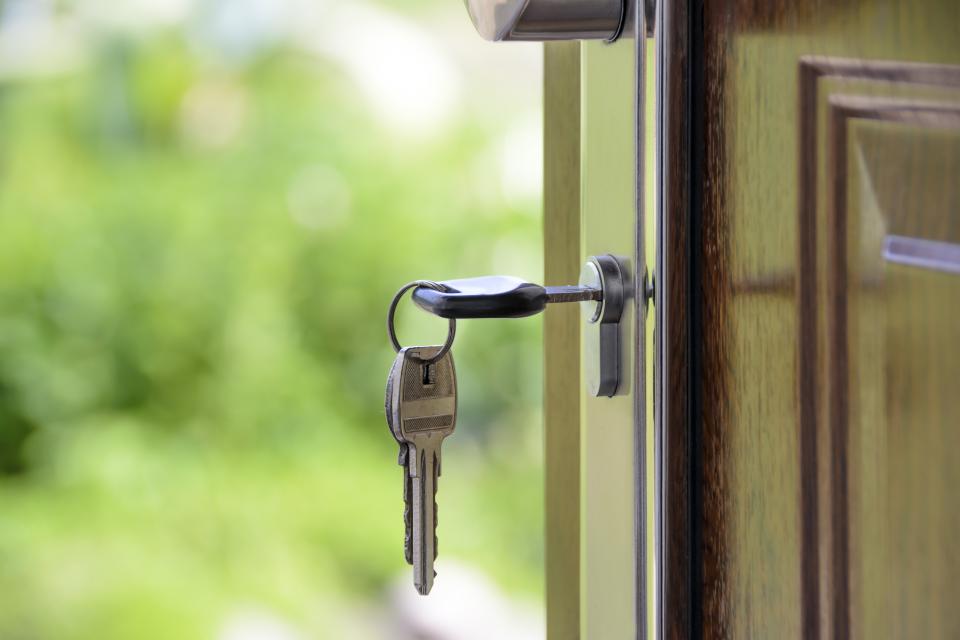
Leaving home for a few days, or even a few weeks, is easier when the house is ready for your absence. A little preparation helps prevent small problems from growing while no one is around to notice them.
This guide walks through a simple, balanced routine you can adapt to your own home, the length of your trip and the season.
Start With a Walk-Through
Begin a few days before you leave. Walk through every room as if you were a visitor, and look for anything that might need attention while you are away. It is much easier to fix a small issue before a trip than to discover it afterward.
Pay attention to the things you usually overlook. A slow drip under a sink, a loose handle or a window that does not latch well can all matter more when the home sits unattended.
- Check under sinks and around toilets for dampness.
- Look at ceilings and corners for stains or musty smells.
- Test that windows and doors close and lock properly.
- Note any repairs you may want to schedule after you return.
Think About Water and Plumbing
Water is one of the most common sources of household trouble, and a leak can go unnoticed when nobody is home. Taking a few simple steps can reduce that risk.
Many households choose to turn off the main water supply for longer trips. If you are not sure where the shutoff valve is, find it now and practice turning it so you know how it works. For short trips, you may decide that checking visible hoses and connections is enough.
- Check hoses on the washing machine and dishwasher for wear.
- Empty and clean the refrigerator ice maker if you will be gone a long time.
- Look at outdoor taps and hoses, especially if cold weather is possible.
- Let someone you trust know where the shutoff valve is.
If your home is in a place that gets very cold, ask a qualified professional about how best to protect pipes while you are away, since the right approach depends on your home and climate.
Manage Temperature, Power and Appliances
You do not need to leave your home running exactly as usual, but you also do not want to switch everything off. The goal is a sensible middle ground that protects the house and avoids wasted energy.
Rather than turning heating or cooling off entirely, many people set the thermostat to a moderate level. This can help guard against extreme indoor temperatures, which may affect pipes, floors and stored items.
- Set the thermostat to a moderate, steady setting.
- Unplug small appliances such as toasters, coffee makers and chargers.
- Turn off or unplug electronics you will not need.
- Consider setting a few lights on timers so the home looks lived in.
- Check that smoke and carbon monoxide alarms have working batteries.
Keep essential devices, such as a refrigerator you plan to leave running, plugged in. If you will be away for a long time, clear out perishable food beforehand so nothing spoils.
Secure the Home Without Advertising Your Absence
Security is partly about locks and partly about appearances. A home that looks occupied is generally less noticeable than one that clearly looks empty.
Start with the basics. Lock every door and window, including those in rooms you rarely use. Check garage doors, sliding doors and any side entrances. If you have a spare key hidden outside, consider whether it is still a good idea to leave it there.
- Close curtains or blinds in a natural way, rather than closing everything tightly.
- Keep valuables and important papers out of easy view.
- Be thoughtful about what you share publicly about your travel plans.
- Ask a neighbor or friend to keep an eye on the home.
It can also help to review your insurance policy before a long absence. Some policies have conditions about how long a home can be unoccupied, so a quick conversation with your insurer or a qualified professional can prevent surprises.
Handle Mail, Deliveries and Outdoor Areas
Piles of mail, packages on the porch or an overgrown yard can signal that nobody is home. They can also simply become a nuisance by the time you return.
Consider asking the postal service to hold your mail, or ask a trusted person to collect it. If you expect packages, try to schedule them for after you return or have them delivered somewhere else.
Outdoors, take a few simple steps to keep things tidy and safe.
- Put away outdoor furniture, tools and decorations that could be damaged or blown around.
- Trim back plants that block windows or doors.
- Clear gutters if heavy rain or leaves are likely.
- Arrange for the lawn or garden to be looked after on longer trips.
- Make arrangements for houseplants, pets and any seasonal tasks.
Choose a Helper and Leave Clear Instructions
If your trip will be longer than a few days, a reliable person who can check on the house is very valuable. A neighbor, friend or family member can bring in mail, look for signs of trouble and respond if something unexpected happens.
Give your helper simple, written information so they do not have to guess. A single page kept somewhere safe is often enough.
- How to reach you while you are away.
- The location of the main water shutoff and electrical panel.
- Contact details for someone who can help in an emergency.
- Any alarm instructions or codes, shared carefully.
- What you would like them to check, and how often.
It also helps to keep a basic record of the home before you go. A few photos of each room and of valuable items can be useful for your own organization if you ever need to review what was in the home.
Conclusion
Preparing your home before you travel does not need to be complicated. A short walk-through, some thought about water, power and security, and a trusted helper can go a long way toward giving you peace of mind.
Every home and trip is different, so treat this guide as a flexible starting point. Keep a simple checklist that you can reuse and update each time, and you will find that getting the house ready becomes quicker and more familiar. When you return, take a short walk through the home again to make sure everything is as you left it.
This article is for general educational purposes only and is not financial, legal, tax or real estate advice. Property, lending and housing conditions vary by location and over time, so please speak with a qualified professional about your own situation.