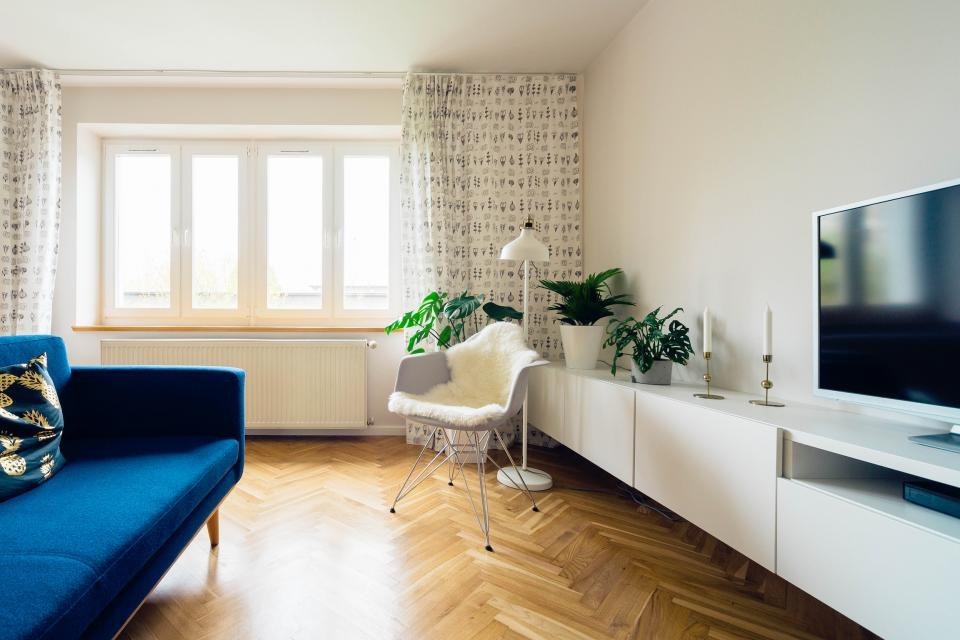
When people talk about what shapes a property’s value, they often think of size and location first. But the way a home is laid out matters too. Two homes of similar size can feel very different depending on how their rooms connect and how easy they are to live in.
This guide explains, in plain terms, how layout and everyday functionality can influence a home’s appeal and condition. It is a general overview, not a way to predict what any particular property is worth.
What We Mean by Layout and Functionality
Layout is simply how the spaces in a home are arranged: where the rooms sit, how they connect, and how you move from one to another. Functionality is how well that arrangement supports daily life. A home can look lovely and still be awkward to use, or look plain and work beautifully.
Buyers, owners and valuation professionals often think about a few basic questions:
- Does the flow between rooms feel natural?
- Is there enough usable space for the people living there?
- Are the main rooms in sensible locations?
- Can the space adapt as household needs change?
None of these questions has one right answer. Different households value different things, which is one reason layout preferences can vary so much from person to person and place to place.
Flow and Room Connections
Flow describes how easily you can move through a home. A good flow means you can carry groceries from the entrance to the kitchen without passing through a bedroom, and guests can reach a bathroom without crossing a private space.
Some common flow considerations include:
- Entry points: A clear, welcoming entrance helps a home feel organized from the first step inside.
- Hallways: Very long or narrow hallways can waste space, while a well-placed one can add privacy.
- Room sequence: Bedrooms that open directly onto living areas may feel less private to some households.
- Walk-through rooms: Rooms that you must cross to reach other rooms can limit how the space is used.
Poor flow does not automatically reduce a property’s appeal, but it can make a home harder to furnish and use. Easy movement tends to be something many people notice and appreciate, even if they cannot say exactly why.
Open Plans and Separate Rooms
One of the most talked-about layout choices is whether living spaces are open or divided. Open plans combine areas such as the kitchen, dining and living spaces into one large room. Traditional layouts keep these spaces separate with walls and doors.
Each approach has strengths:
- Open layouts can feel bright and spacious, make it easy to keep an eye on children, and suit people who like to entertain.
- Separate rooms can offer quiet, privacy, easier control of heating and cooling, and a place to close the door on clutter.
Tastes shift over time, and many households now like a blend, such as a main living area that is open with a few flexible rooms nearby. Because preferences differ, it is wise to think about how you actually live rather than following a trend.
Storage, Bedrooms and Bathrooms
Practical features often matter more in daily life than decorative ones. Storage is a good example. Closets, a pantry, a utility area or a garage can make a home feel far more comfortable, since belongings have a place to go.
The number and arrangement of bedrooms and bathrooms also shape how a home is used. A few points to keep in mind:
- A household with several people may value having more than one bathroom for busy mornings.
- Bedrooms of reasonable size and with natural light tend to feel more comfortable.
- A room that can serve as an office, guest room or hobby space gives a household useful options.
- Rooms with no clear purpose or an unusual shape can be harder to use well.
Keep in mind that how these features are viewed depends on the local area and on who is looking at the property. What suits a large family may not suit someone living alone, and the reverse is also true.
Natural Light, Ceiling Height and Comfort
Some of a home’s most appealing qualities come from the way the space feels rather than how it is arranged on paper. Natural light is a clear example. Rooms with good windows often feel larger, warmer and more pleasant, and they may reduce the need for artificial lighting during the day.
Other comfort-related features include:
- Ceiling height: Higher ceilings can add a sense of openness, though they may also affect heating and cooling needs.
- Ventilation: Good airflow helps rooms stay fresh and can support the condition of the building.
- Noise: Placing bedrooms away from busy areas can make a home more restful.
- Sightlines: Pleasant views from main rooms can make a space more enjoyable.
These qualities are subjective, but they often come up when people describe why a particular home feels right to them.
Thinking Practically as an Owner
If you already own a home, you do not need to rebuild it to make it work better. Small, thoughtful steps can improve how a space functions and help you enjoy it more. Here are some ideas to consider:
- Observe how you use each room. Notice where you feel cramped, where things pile up and which spaces sit empty.
- Rearrange before you renovate. Moving furniture can reveal better ways to use a room at almost no cost.
- Improve storage. Shelves, organizers and tidy cupboards can make a space feel larger.
- Keep the home in good condition. A well-maintained layout works better than a neglected one, and condition is a major part of how any property is viewed.
- Plan before making structural changes. Altering walls or rooms is a big decision, so gather advice from qualified professionals and check what local rules may require.
It also helps to remember that changes made purely to follow a trend may not suit the next person who lives in the home. Practical, flexible improvements usually age better than very personal ones.
Conclusion
Layout and functionality are only one piece of the picture. Location, condition, local demand and many other factors all play a part in how a property is viewed. Still, a home that flows well, offers practical storage and feels comfortable to live in tends to appeal to many people.
Whether you own a home or are simply learning about property, it helps to look at a space the way you would use it every day. Notice how the rooms connect, what works well and what could be more flexible. Keeping your approach practical, balanced and focused on real daily needs is a sound way to think about this topic.
This article is for general educational purposes only and is not financial, legal, tax or real estate advice. Property, lending and housing conditions vary by location and over time, so please speak with a qualified professional about your own situation.