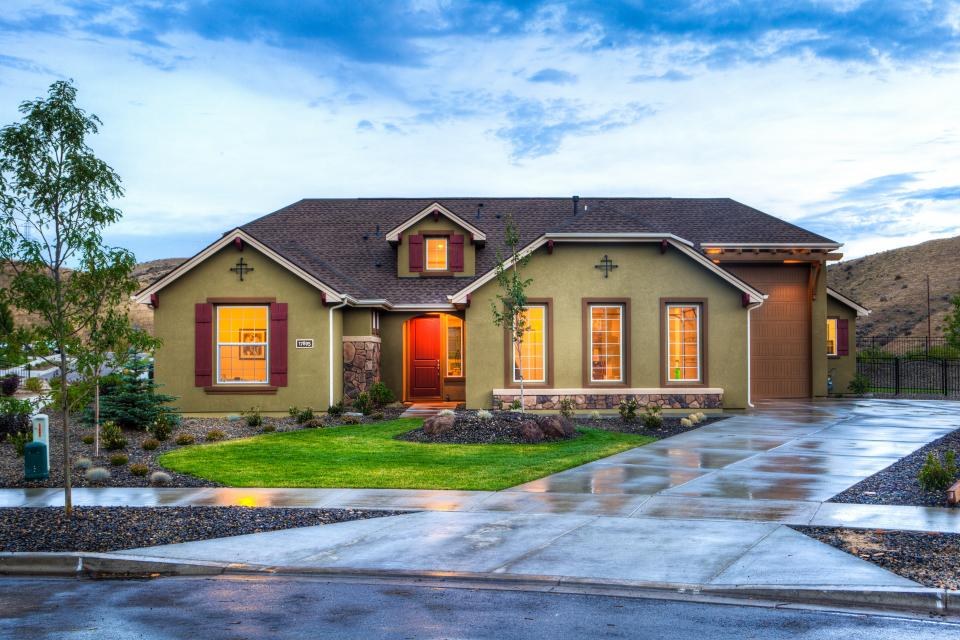
The outside of a home is the first thing most people notice, whether they are visitors, neighbors or someone considering a purchase. This quick impression is often called curb appeal. In this guide, we explain what it means, why it matters and how everyday care can help a property look its best.
What Curb Appeal Really Means
Curb appeal is simply how attractive and well kept a property looks from the street. It is not about luxury or following trends. A modest home with tidy surroundings can leave a better impression than a larger home that looks neglected.
Several things shape that first look:
- The condition of the front door, windows and exterior walls
- The state of the roofline, gutters and paths
- The yard, plants and general tidiness
- Lighting, house numbers and other small finishing details
Because these features are visible at a glance, they tend to set expectations before anyone steps inside.
Why First Impressions Can Matter for Property Value
A property’s value depends on many factors, including location, size, layout and overall condition. Curb appeal is only one piece of that picture, and it cannot change things like the neighborhood or the size of the lot.
Still, outward appearance can influence how a home is perceived. A well kept exterior often suggests that the rest of the property has been cared for too. On the other hand, visible wear such as peeling paint or an overgrown yard may make people wonder what else needs attention, even when the home is in good shape inside.
It also affects everyday life. Many homeowners simply enjoy coming home to a place that looks welcoming, and that comfort is worth something on its own.
Simple Exterior Upkeep to Start With
Good curb appeal usually begins with basic maintenance rather than big projects. Regular, small tasks tend to be easier to manage than a large clean-up after a long period of neglect.
Consider this short routine:
- Walk the outside of your home. Look at it the way a stranger would, from the street.
- Note what looks worn. Check paint, siding, fences, steps and railings.
- Clear and clean. Sweep paths, remove cobwebs, wash windows and clear leaves from gutters and entrances.
- Fix small problems early. A loose step or a cracked path is easier to repair before it gets worse.
- Keep a simple list. Write down tasks so they can be spread across the seasons.
Safety comes first. If a job involves ladders, roofs or electrical work, it is wise to use a qualified professional rather than risk an accident.
Yards, Plants and Outdoor Spaces
The yard often makes up a large part of what people see. You do not need an elaborate design. Tidy edges, trimmed shrubs and a lawn or ground cover that suits your climate can make a clear difference.
A few general ideas can help:
- Choose plants that suit your local weather and the amount of sun the area gets, so they are easier to maintain.
- Keep trees and bushes trimmed away from windows, walls and walkways.
- Remove dead plants and clutter, such as old pots or stored items, from the front of the home.
- Make sure the path to the front door is clear, even and easy to see after dark.
It also helps to consider how much time you realistically have. A simple, low-maintenance yard that stays neat all year is often better than an ambitious garden that becomes difficult to keep up.
The Details Around the Entrance
The entrance is the focal point of most homes. Small touches here can feel significant because people naturally look toward the front door.
- The door itself: Clean it regularly and touch up worn paint or hardware.
- House numbers: Make sure they are clear and easy to read, which also helps visitors and delivery drivers.
- Lighting: Working outdoor lights make the home feel welcoming and add to everyday safety.
- Mailbox and doormat: Replace them if they are faded or damaged.
These are generally small, practical updates. They are not a substitute for dealing with bigger maintenance needs, such as roof or drainage issues, which can affect both a home’s condition and its long-term upkeep.
Thinking About the Seasons
Exterior care changes through the year, so it helps to match tasks to the season. In autumn, clearing leaves and checking gutters is a common priority. In winter, keeping steps and paths safe matters most. Spring is a good time to inspect for damage and refresh the yard, and summer suits painting, cleaning and general tidying where the weather allows.
Spreading the work out in this way keeps it manageable and helps you notice problems early, before they grow into larger repairs.
Keeping Appearance and Budget in Balance
It is easy to feel pressure to spend on the outside of a home, but more spending does not always mean a better result. Before starting, think about your goals. Are you improving comfort for your household, keeping up with maintenance or preparing for something in the future?
A few questions can help you decide:
- Is this task about fixing a real problem or only about appearance?
- Can it be done in stages over time?
- Will it be easy to keep up in the future?
- Does it suit the style of the home and the neighborhood?
Putting repairs and safety ahead of decoration is a sensible approach. Keeping a simple record of what you have done can also be useful later, as part of general household planning.
Conclusion
Curb appeal is about the impression a property makes at first glance, and that impression is shaped largely by everyday care. Tidy surroundings, a clean entrance and prompt attention to small repairs all help a home look cared for. While appearance is only one of many factors that affect a property’s value, regular upkeep supports both the condition of the home and the pleasure of living in it.
You do not need to do everything at once. Start with a walk around the outside, make a short list and work through it at a pace that suits your household.
This article is for general educational purposes only and is not financial, legal, tax or real estate advice. Property, lending and housing conditions vary by location and over time, so please speak with a qualified professional about your own situation.