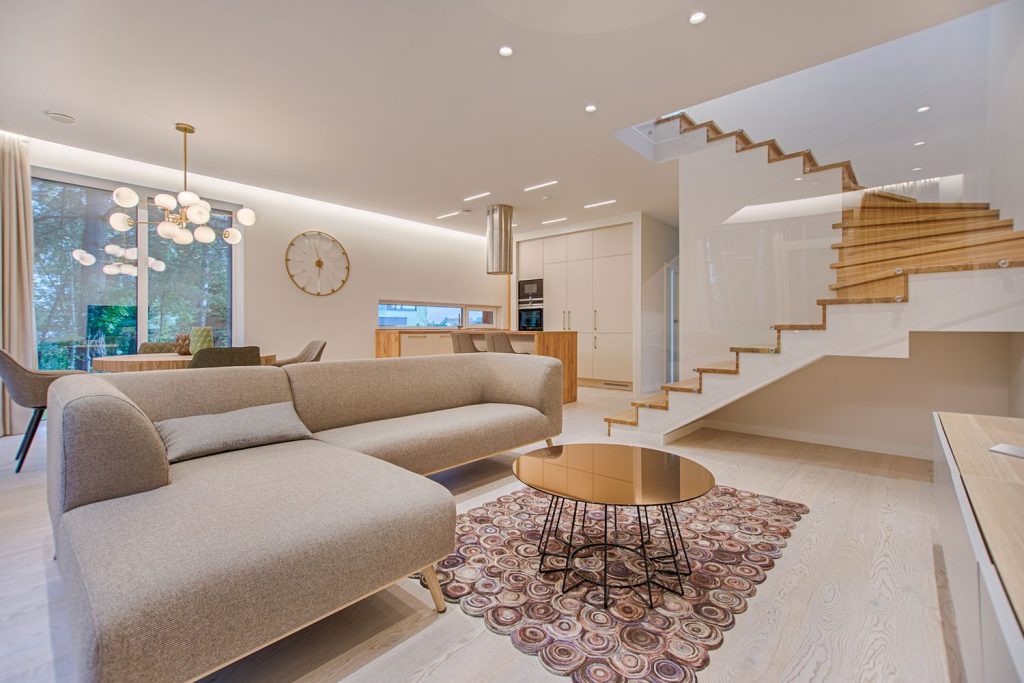
A cluttered home can make everyday life feel harder than it needs to be. Keys go missing, surfaces fill up, and simple tasks like cleaning take longer. Decluttering one room at a time is a calm, manageable way to regain control of your space without feeling overwhelmed.
Why Decluttering Is Worth the Effort
Most of us collect belongings gradually. A few extra items here, a box “for later” there, and eventually the home is holding far more than the household actually uses. Clearing some of that out can bring several practical benefits.
- Rooms are easier to clean and maintain.
- You can find what you need more quickly.
- Walkways, closets and storage areas become safer and easier to use.
- You get a clearer picture of what you already own, which can help you avoid buying duplicates.
Decluttering is also a useful habit for anyone who may move, host guests or simply want a home that feels more relaxed. It is not about owning as little as possible. It is about keeping what is useful or meaningful and giving everything else a new home.
Start With a Simple Plan
The biggest mistake people make is trying to tackle the whole house in a single weekend. That approach often leaves every room half finished and everyone tired. A short plan helps you stay steady.
- Pick one room. Choose a space that is small or low-stress, such as a bathroom or entryway, so you can finish and feel a sense of progress.
- Set a time limit. Work in short sessions with breaks, and stop when you are tired.
- Gather your supplies. Have a few boxes or bags ready, along with a trash bag and some cleaning cloths.
- Decide on your categories. Common choices are keep, donate, recycle, discard and “belongs elsewhere.”
Having these categories in mind before you begin keeps you from stopping to wonder where each item should go. Every item gets a quick decision and moves along.
Sort Items With a Few Simple Questions
Deciding what to keep is usually the hardest part. Instead of judging every object in depth, ask yourself a few easy questions and go with your honest answers.
- Have I used this recently, or do I realistically expect to use it soon?
- Does it still work, fit or serve its purpose?
- Do I own more than one of these, and do I need them all?
- Does it have real meaning or value to me or my family?
- Would it be difficult or costly to replace if I needed it again?
If an item gets a clear “yes,” keep it and give it a proper place. If you truly cannot decide, place it in a “maybe” box, seal it and note the date. If you have not opened the box after a reasonable stretch of time, that is a good sign you can let its contents go.
Sentimental items deserve extra patience. Photographs, letters and family keepsakes can be kept together in one labeled container rather than scattered around the house. You do not need to decide about these on the first day.
Room-by-Room Ideas
Every room collects a different kind of clutter, so a little room-specific thinking can make the process smoother.
Entryway
This space tends to gather shoes, bags, mail and coats. Keep only the items used regularly nearby, and give each household member a hook or small bin. Sort mail as it comes in so paper does not pile up.
Kitchen
Start with the pantry and the fridge, checking for items that are expired or no longer eaten. Then look at cabinets and drawers. Duplicate utensils, mismatched containers without lids and rarely used gadgets are common candidates to donate or recycle. Keep everyday items within easy reach.
Living Areas
Clear surfaces first, such as coffee tables and shelves. Gather items that belong in other rooms and return them. Consider whether books, magazines, cables and decorations are all still in use or enjoyed.
Bedrooms and Closets
Take clothing out so you can see everything at once. Keep items that fit, are in good condition and that you actually wear. Group the rest for donation or recycling. Under-bed storage and nightstands often hide forgotten items worth reviewing.
Bathrooms
Check for expired products, empty bottles and items you no longer use. Keep daily essentials close at hand and store extras in a single container.
Garage, Basement and Storage Areas
These spaces often hold the most “someday” items. Take your time here, and handle hazardous materials such as old paint or chemicals carefully by following your local guidance for safe disposal.
Decide Where Unwanted Items Will Go
Decluttering only works when items actually leave the house. Many people sort things into a donation pile and then leave the bags in the hallway for weeks. To avoid this, decide ahead of time how you will handle each category.
- Donate: Clean, usable items can often go to local charities or community groups. Check what they accept before you load the car.
- Share or pass along: Friends, neighbors or relatives may be glad to take items you no longer need.
- Recycle: Paper, certain plastics, metals and electronics often have their own recycling routes, so look up local rules.
- Discard: Broken or worn-out items that cannot be reused can be thrown away responsibly.
Try to schedule a drop-off or pickup soon after each session. Removing the bags from sight keeps the room looking finished and prevents second-guessing.
Organize What Remains and Keep It That Way
Once the extra items are gone, give everything you kept a clear home. Items that are used often should be easy to reach, while seasonal or occasional items can go in higher or less convenient storage. Clear containers and simple labels make it easier for everyone in the household to put things back.
A few small habits help you maintain the results.
- Return items right away. Putting things back after use prevents piles from forming.
- Use a “one in, one out” approach. When something new comes in, consider letting something similar go.
- Do a quick reset. Spend a few minutes each day tidying surfaces and common areas.
- Review periodically. A brief check of each room a few times a year keeps clutter from building up again.
Involve everyone who lives in the home. Shared systems work best when each person understands where things belong and has their own space for personal items. Children can help with simple tasks, such as choosing toys to donate or putting belongings in labeled bins.
Conclusion
Decluttering does not have to be a huge project. By working one room at a time, sorting with a few simple questions and deciding in advance where unwanted items will go, you can make steady progress without stress. The goal is not a perfect, empty house. It is a home that is easier to live in, easier to clean and better organized for the way your household actually lives. Start small, stay patient and enjoy each finished space.
This article is for general educational purposes only and is not financial, legal, tax or real estate advice. Property, lending and housing conditions vary by location and over time, so please speak with a qualified professional about your own situation.